

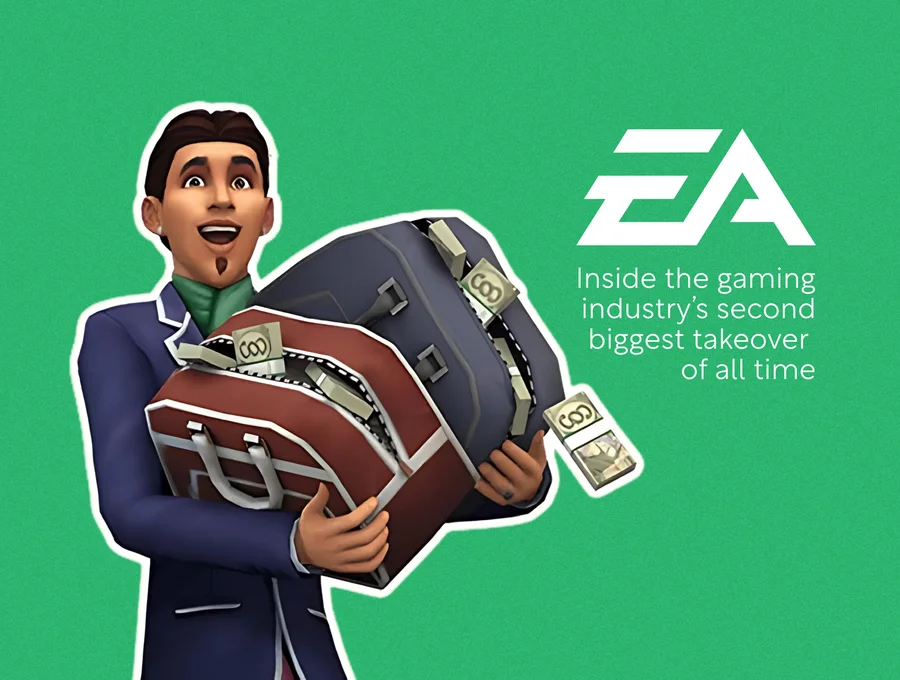

Inside the US$55 bn EA Take-Private: Debt, Drama & a Desert Dynasty
The largest leveraged buy-out in history will transfer Battlefield, EA FC and The Sims from public markets to a Riyadh–Silicon Valley–Palm Beach triumvirate, load the studio with US$20 bn of fresh debt and probably reshape how—and where—games get made.
1. The buyers & the bill
- Saudi PIF – 49 % equity, unlimited follow-on capital
- Silver Lake – tech-focused PE, brings LBO muscle
- Affinity Partners (Jared Kushner) – minority slice, geopolitical door-opener
Price tag: US$210 per share = 25 % premium to last close
Financing cocktail: US$36 bn cash from consortium + US$20 bn senior debt arranged by JPMorgan
→ EA—not the buyers—services that debt, starting day-one post-close (expected Q1-2027).
2. Why EA said “yes”
- Stable cash machine: EA throws off ~US$2 bn free cash flow per year—enough to cover interest (≈US$1.2 bn at 6 %) if nothing breaks.
- Mobile gap: PIF already owns Scopely (Monopoly Go) and Niantic’s gaming arm; folding EA’s IP onto those ad-tech rails offers instant mobile scale.
- Escape from public glare: no quarterly guidance, easier to shutter studios or pivot into AI-generated content without shareholder headlines.
3. What happens to the games?
Debt service first, creativity second.
- Live-service treadmill—EA FC, Madden, Apex—becomes the repayment engine; expect heavier micro-transaction pushes and shorter innovation cycles.
- Non-core franchises (Dead Space, Mass Effect, smaller mobile studios) are already being “evaluated for strategic alternatives”—industry code for sell or sunset.
- Battlefield 6 is now the make-or-break release; if FY-26 numbers disappoint, look for swift layoffs or outsourcing to lower-cost PIF-friendly territories.
4. Workers & culture shock
- No “immediate” layoffs promised, but private-equity playbook = cost-out within 18 months; EA has 14,500 employees and studios in six high-wage countries.
- Union chill: successful QA union at BioWare Edmonton was axed in 2022; the buy-out sends a don’t rock the boat signal to organisers.
- Content self-censorship: comedians already edit acts for Saudi stages; writers inside EA say they’re unsure whether storylines touching on Middle-East politics or LGBTQ+ themes will pass new-owner smell tests.
5. Geopolitical after-taste
The deal squeaked through CFIUS review, but critics flag soft-power washing:
- PIF is chaired by Crown Prince Mohammed bin Salman; the same vehicle now owns stakes in Nintendo, Take-Two, Scopely, ESL-FACEIT and soon EA—giving Riyadh editorial leverage over the fastest-growing entertainment medium on Earth.
- Kushner’s Affinity stake raises conflict-of-interest questions should the 2024 U.S. election return his father-in-law to the White House.
6. Bottom line
EA escapes quarterly earnings calls but swaps them for US$20 bn of bond covenants. Sports titles will be milked harder, risky new IPs postponed, and head-count rationalised the moment EA FC 27 pre-orders dip. For gamers, the change may be invisible at first—until the studios that craft their favourite worlds start to vanish, one balance-sheet line at a time.







87 Comments