



Key Takeaway
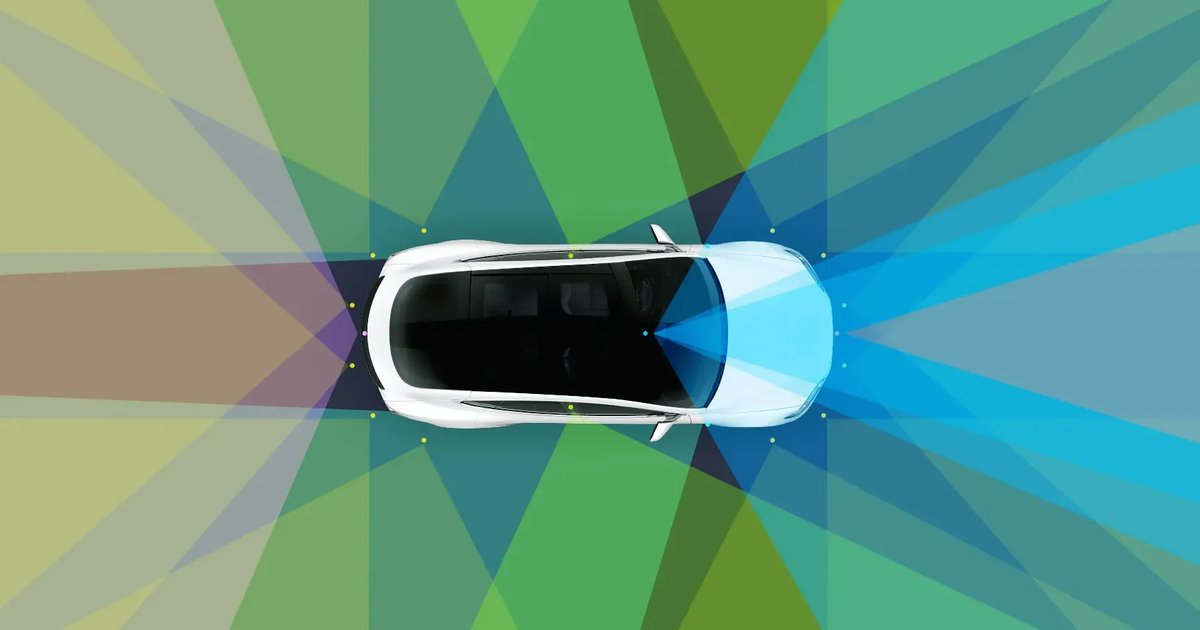
A federal jury in Miami found Tesla partially liable for a fatal crash, assigning two-thirds of the blame to the driver, McGee, and one-third to Tesla due to defects in its Autopilot system. Tesla plans to appeal, citing legal errors during the trial. Industry experts believe the verdict could negatively impact the future of autonomous vehicles (AVs) and their ethical implications. Colin Barnden from Semicast Research noted that the ruling challenges the notion that drivers alone are responsible for accidents involving automated systems, suggesting a shift in accountability within the AV sector.
The Jury’s Verdict
Earlier this month, a federal jury in Miami found Tesla partially liable for the fatal crash, despite the driver’s admission of fault.
The jury assigned two-thirds of the blame to McGee and one-third to Tesla, concluding that the Autopilot system had defects that contributed to the tragedy.
Since the incident, Tesla has consistently maintained that it is not responsible for the driver’s inattentiveness that led to the crash.
Consequently, the company plans to appeal the decision, citing “substantial errors of law and irregularities at trial.”
Although technology in autonomous vehicles (AVs) has evolved over the past six years, some industry insiders believe this case poses significant challenges for driverless cars and the ethical framework surrounding them.
Colin Barnden, Principal Analyst at Semicast Research, stated that if Tesla successfully appeals the verdict, the entire AV sector will find itself in uncertain moral territory.
“The illusion that automated longitudinal and lateral vehicle control equals ‘self-driving’ is shattered; the notion that the driver alone is responsible for activating such software while the OEM is blameless is now obsolete,” he remarked.
“The responsibility genie is now well and truly out of the bottle.”






84 Comments