




Key Takeaway
Nvidia’s H20 chips, designed for the Chinese market, are under U.S. government scrutiny for export licenses, initiated in late July. While some Chinese companies have obtained permits, Nvidia has not shipped any chips yet. The U.S. requires a 15% revenue share from H20 sales under license. Nvidia has not included H20 shipments in its quarterly forecasts and is also seeking approval for its Blackwell chips in China, the largest semiconductor market. Despite export restrictions aimed at limiting China’s military capabilities, demand for Nvidia’s powerful processors remains strong, driven by investments in AI data centers and cloud services.
These chips were specifically developed for the Chinese market to navigate export controls.
Inside H20 chip licenses under US government review
Nvidia executives report that Washington began examining licenses for the sale of its H20 processors to Chinese buyers towards the end of July.
While a few companies based in China have recently obtained those permits, Nvidia has yet to deliver a single chip.
Complicating matters, the US government is requiring a 15% share of any revenue generated from H20 sales conducted under license.
Currently, Nvidia has not included H20 shipments in its latest quarterly guidance. The company is also still pursuing approval to sell its newer Blackwell chips in China—a market that remains the largest consumer of semiconductors worldwide.
This situation highlights the delicate balancing act faced by global chipmakers. Export restrictions aim to prevent advanced processors from enhancing China’s military capabilities, yet they are also disrupting the business models of companies dependent on international demand.
Despite this, the demand for Nvidia hardware shows no signs of diminishing.
Major tech companies continue to invest significantly in AI data centers and cloud infrastructure, driving relentless demand for the company’s most powerful processors.
Concerns about a growing investment bubble
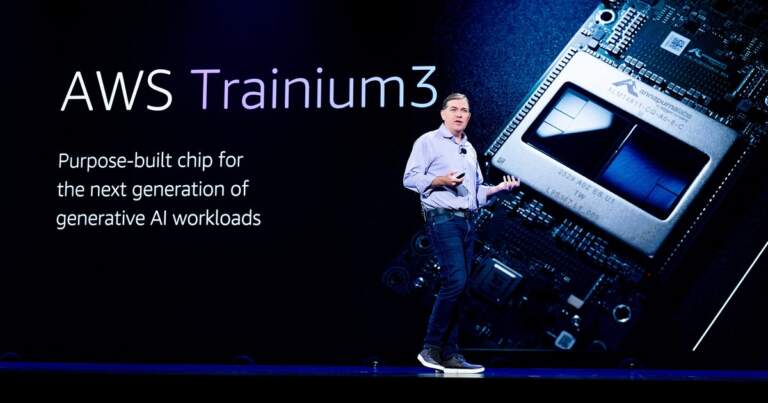
Cloud giants like AWS and Microsoft Azure are increasingly turning to more powerful chips to handle the surge in AI workloads.
Social media platforms are relying on AI for recommendation engines and real-time content moderation, while even well-established software providers are racing to integrate AI features into their products.






104 Comments