



Key Takeaway
Gartner highlights a widening gap between US and non-US technology executives, with 50% of non-US CIOs expecting vendor engagement changes due to regional factors, compared to 31% in the US. One-third of non-US CIOs plan to focus on regional tech vendors, while only 16% of US counterparts indicate similar intentions. This trend poses a threat to US vendors’ global market position. Additionally, as geopolitical issues influence procurement, companies are shifting from AI pilots to operationalizing AI for tangible returns, with 2026 expected to focus on delivering agentic AI ROI, according to Gartner’s report.
“This criterion is expected to gain significance due to increasing geopolitical risks and cost pressures.”
The transatlantic divide
The disparity between US and non-US technology executives is growing, according to Gartner.
The data indicates that 50% of CIOs and technology executives outside the US foresee changes in vendor engagement driven by regional factors, in contrast to just 31% of their US-based peers.
Among non-US CIOs, one in three plans to shift their focus toward regional tech vendors, while only 16% of US CIOs indicate a similar intention.
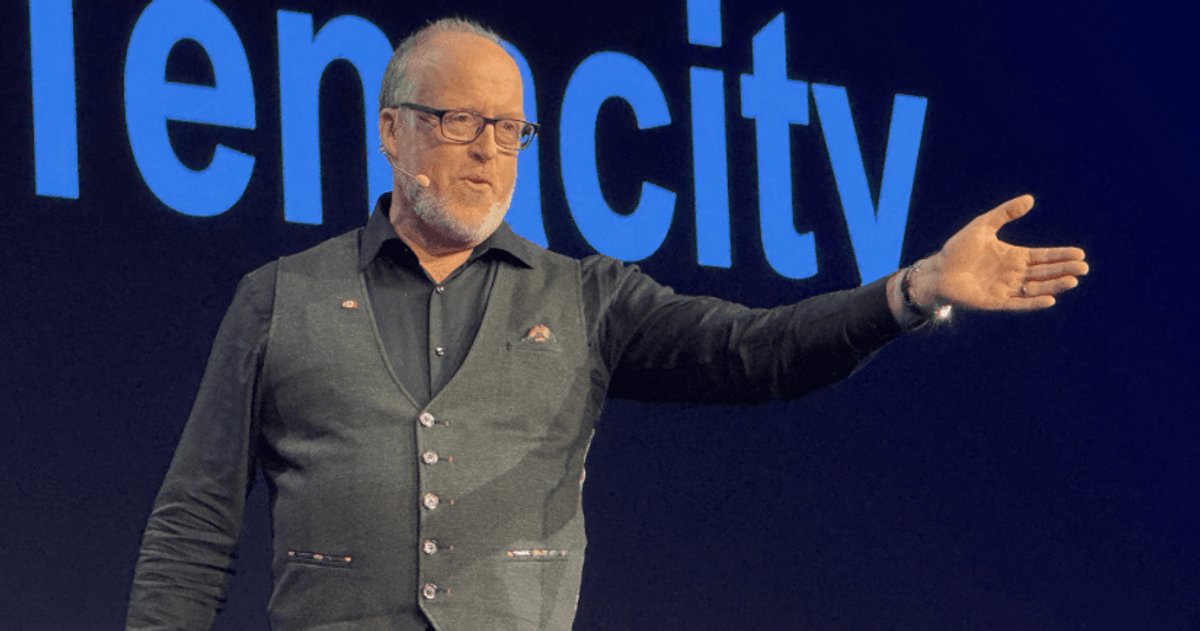
“All technology vendors, particularly those in the US, need to recognize this as it poses a threat to their ability to be seen as ‘vendors of choice’ in a global market,” Chris states.
“This could mark the onset of a shift in dominance that will unfold over the coming years.”
From pilots to agentic AI
As geopolitics influences procurement, the focus in the boardroom is on operationalizing AI to achieve outcomes and showcase value.
Gartner’s report reveals that the stakes are increasing.
“2025 was focused on AI pilots, discovery, and experimentation. In 2026, the emphasis will shift to delivering agentic AI ROI,” states Kris van Riper, Practice Vice President at Gartner.








85 Comments