



Key Takeaway
Capgemini has integrated its decarbonisation methodology into Peugeot Sport, focusing on reducing the carbon footprint of motorsport operations. The initiative includes 30 actions aimed at cutting greenhouse gas emissions by 2030, with annual assessments to track progress. Key strategies involve eco-design for vehicles, supplier engagement for decarbonisation support, and climate awareness workshops for employees. The fleet now uses renewable biofuels, significantly lowering emissions. Jean-Marc Finot of Stellantis Motorsport highlights the importance of the WEC Championship for showcasing sustainability advancements. Capgemini’s expertise in AI and data analytics enhances performance and environmental impact in motorsport.
Data and sustainability reshape motorsport operations
Capgemini, with a workforce of 340,000 across 50 countries, has incorporated its decarbonisation methodology into Peugeot Sport’s operations. This initiative commenced with an assessment of the carbon footprint of the entire motorsport ecosystem, encompassing everything from vehicles on the track to parts manufacturing and team logistics.
The programme has pinpointed 30 specific actions aimed at reducing greenhouse gas emissions by 2030. These measures will undergo annual evaluation and adjustment. The implementation phase is currently underway across all action plans, with key performance indicators monitoring progress towards emissions targets.
The research and development teams have embraced an eco-design approach for vehicles, integrating environmental considerations into the parts development process. This includes utilizing alternative materials that uphold performance standards.
Engaging suppliers is a crucial component of the sustainability roadmap. Primary suppliers receive assistance in their decarbonisation efforts through consultations, calculation tools, and technical discussions with the design office to enhance supply chain efficiency.
The organisation has introduced climate awareness workshops for employees and has optimized travel arrangements, favoring maritime freight. Its fleet of trucks and diesel utility vehicles now operates on renewable biofuel tanks using HVO-100, achieving a reduction in greenhouse gas emissions of over 85% compared to fossil fuels.
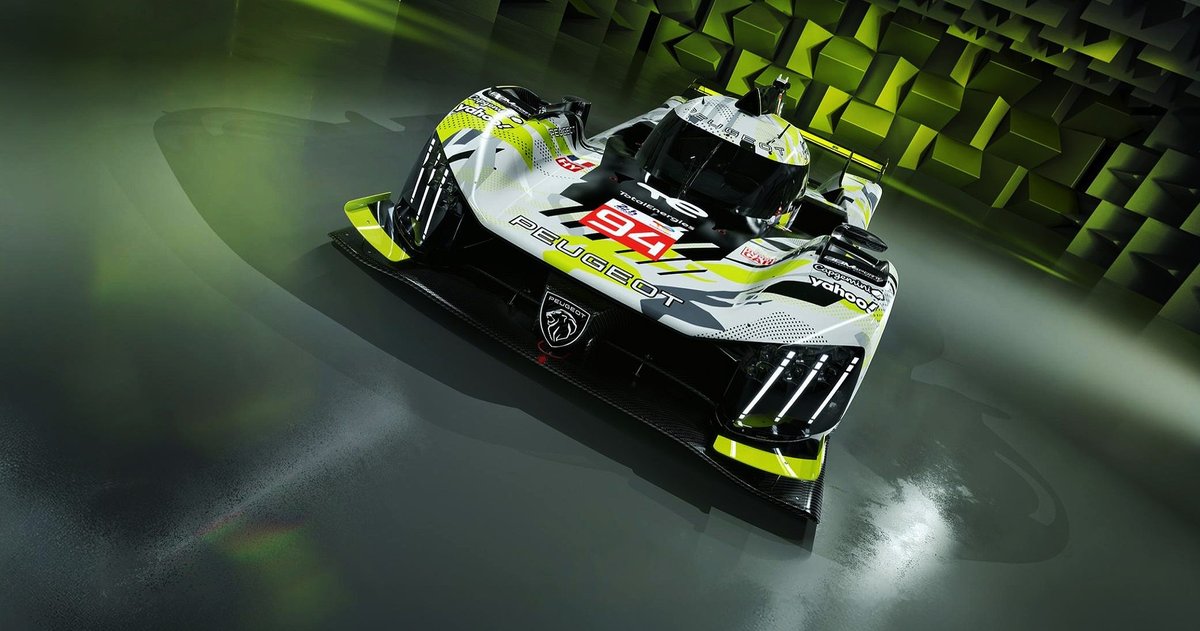
Jean-Marc Finot, Senior VP of Stellantis Motorsport, states: “The WEC Championship is a vital discipline for Team Peugeot TotalEnergies. The visibility and prestige of the 24 Hours of Le Mans make it a significant event to showcase the advancements and improvements made by all stakeholders in motorsport. Beyond the sporting event, we take a pioneering role in sustainability by developing the technologies of tomorrow. AI has become a fundamental aspect of our racing strategy, as evidenced by improved results at the end of the 2024 season, particularly at Fuji and Bahrain.”
This partnership mirrors broader industry trends towards sustainable technology in motorsport. Capgemini offers comprehensive services in strategy, design, and engineering, bolstered by expertise in artificial intelligence, cloud computing, and data analytics across various industries.
Andrea Falleni, CEO of Capgemini Southern Europe and Member of the Group Executive Committee, remarks: “We are thrilled to continue our collaboration to enhance Peugeot Sport’s performance, both in terms of competitive results and the environmental impact of motorsport, by providing the latest AI technologies and our expertise in decarbonisation.”










72 Comments