




Key Takeaway
In the competitive AI landscape, tech giants are increasingly focusing on controlling both software and hardware. The recent semiconductor shortage and rising AI chip prices have prompted companies to rethink their supply chains and pursue vertical integration. Meta is now testing its first in-house chip for AI training, aiming to reduce reliance on external suppliers like Nvidia. This move aligns with strategies from other companies like Google and Microsoft, who are also developing custom chips to manage costs and enhance technical capabilities as AI demands grow. Meta’s projected expenses for AI infrastructure could reach up to $119 billion by 2025.
In the competition to lead in AI, technology giants are increasingly aiming to control both the software and hardware that drive it.
The recent global semiconductor shortage, combined with rising prices for specialized AI chips and uncertain regulations, has prompted companies to rethink their supply chains and consider vertical integration strategies.
Currently, Meta is testing its first in-house chip designed for training AI systems, according to two sources who spoke to Reuters.
This development indicates the company’s strategy to create more of its own custom silicon and reduce its reliance on external suppliers such as
Nvidia, a leading manufacturer of graphics processing units (GPUs) utilized for AI computing tasks at Meta and globally.
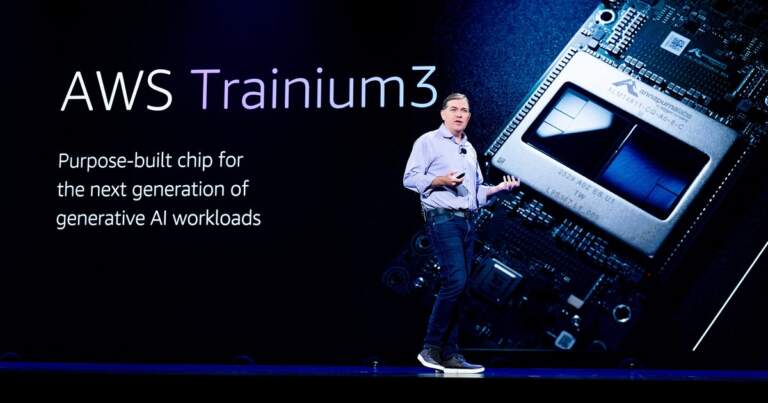
Meta’s initiative comes amid intense competition in the AI sector, where companies like Google, Amazon, and Microsoft have already invested in developing their own custom chips.
These tech giants are independently innovating chips for various reasons, including a growing awareness that control over semiconductor design and supply can yield strategic advantages in cost management and technical capabilities as AI workloads expand rapidly.
How Meta’s custom silicon strategy aims to manage high AI infrastructure costs
Meta reportedly spent around US$10bn on Nvidia GPUs alone in 2023, according to industry analysts. The company has also projected total expenses for 2025 to be between US$114bn and US$119bn, which includes up to US$65bn in capital expenditure, primarily driven by investments in AI infrastructure.








84 Comments